Case study / Product / 2026
YouTube Shopping Ads x AI
Turning raw consumer frustration into product strategy: how an AI-powered research process not only generated hundreds of potential new YouTube Shopping Ads innovations, but also suggested a much more provocative reframing.
The strategic opportunity
As younger audiences shift attention to social platforms like TikTok and Instagram for product discovery, YouTube Shopping Ads was looking to innovate its ad stack or risk losing ground with next-generation creators and shoppers. Traditional video ads were frequently viewed as intrusive interruptions rather than helpful tools during the buying journey.
To address this, the research set out with a broad, foundational objective: understand how, when and where AI can enhance the user shopping experience. Rather than evaluating static ad formats upfront, the goal was to identify where online shopping experiences break down, and where AI actually helps or fails consumers in the wild.
Refining the cohort

The research brief originally targeted consumer segments across Fashion and Electronics. However, as I absorbed the brief, a crucial strategic shift was recommended: expand beyond Fashion & Electronics yet narrow the focus to shoppers who actively use AI tools while shopping and experience frustrations with them.
By intentionally dismissing two other cohorts, those who don’t use AI at all and those who use AI and are completely happy with it, we isolated the highest-signal group: experienced users hitting real-world AI boundaries.
Two subject matter experts were also interviewed: a former Nike media strategist, and the CRO of a high-growth, >$650 million AR electrolyte company.
AI methodology for an AI study
A hybrid study methodology was recommended. It started with 100 users each answering ten questions asynchronously via video, yielding 1,000 sixty-second video clips and accompanying transcripts. Because the goal was to find unmet user needs, video was chosen as the preferred medium to viscerally capture the degree of frustration.
Phase 2 included deep-dive 1:1 remote interviews where part of the discussion guide involved having users describe what an ideal shopping agent would do for them; then I built it in real time for them (using AI Studio in screen-share mode) and had them react to the results of their searches. That exercise provided incredibly valuable data and insight, including agent goals, rules and expectations versus the actual outcomes of the agents that were custom-made for them.
Custom agent pipeline
To analyze high-volume video feedback and expert transcripts without losing these subtle, unvarnished friction points, I engineered a custom five-agent AI pipeline in Google AI Studio:
Agent 1, Atomic Friction Extractor (data source: 100 async interviews). Isolated every distinct user complaint, failed prompt or unmet need into individual data objects without compressing or summarizing feedback.
Agent 2, Tagging Engine. Normalized product categories and tagged recurring friction themes, such as micro-attribute verification and authenticity doubts.
Agent 3, Atomic Friction Extractor (data source: 1:1 user and subject-matter-expert interviews). Expanded on user complaints, failed prompts or unmet needs without compressing or summarizing feedback.
Agent 4, Tagging Engine. Added additional color to Agent 2’s output, and identified new, emergent, more personal themes.
Agent 5, Synthesizer & Ideator. Clustered commonalities, flagged unique peripheral outliers, generated cross-surface feature concepts, and mapped friction directly against YouTube’s core surfaces (Shorts, Watch, Feeds, Search) while strictly observing ad-unit technical boundaries.
From user friction to product concepts
The research revealed that shoppers using current AI tools ran into an array of frustrations and let-downs (confidential because of NDAs).
Running these atomic friction points through the multi-agent pipeline generated over 200 novel product concepts designed to address specific, validated user pain points directly within the YouTube ecosystem.
The last agent then synthesized five broader theme areas, with innovations under each pillar.
The deliverable
Delivered a prioritized, AI-vetted roadmap of novel ad products that bypassed traditional, slower-moving innovation loops, giving executive teams a clear, actionable path toward next-generation social shopping tools.
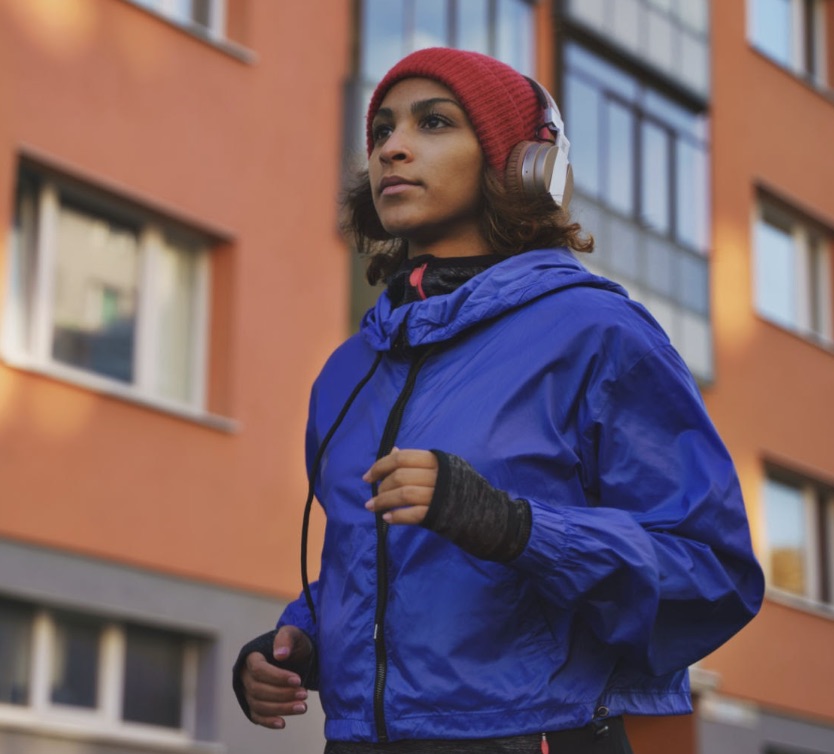
Circling back to the objective and my guiding philosophy on briefs, part of the deliverable included video highlight reels of specific problem areas so teams could hear users, first hand, for themselves and start to take ownership of the project.
A final provocation
I typically also include a final provocation that answers the brief and leverages the research and insights, but doesn’t linearly align exactly. Because of NDAs and recency it is confidential, but YouTube is highly engaged in the provocation and has requested more follow-on work directly related to it.
A Product x AI case study.