
Case study / Brand / 2024–2025
Google Earth Engine | Unlocking enterprise product-market fit
Earth Engine had world-class geospatial technology and a user base rooted in academia. As they looked to expand, one hypothesis was that enterprise companies in CPG would find value, but they weren’t sure (a) who exactly within the org to target and (b) how decisions relative to geospatial flowed. So my job was to help them structure a global research plan, and execute it. While I was able to pinpoint the ICP and map out the decision-making wireframe, why they would want it was the most valuable insight to emerge.
The starting point
Google Earth Engine is a planetary-scale platform for Earth science data and analysis: petabytes of satellite imagery and geospatial datasets, with the compute to analyze them. Scientists, researchers and NGOs had built remarkable work on it for years. That was the strength and the problem in one sentence. The technology was proven; the commercial market was not.
Google wanted to open Earth Engine to enterprise customers, with consumer packaged goods companies as a priority. Before building a go-to-market around that idea, they needed to know whether the appeal was real.
Three questions
The brief reduced to three questions, and the order mattered.
- Is there commercial value? Not whether the technology was impressive, which was settled, but whether an enterprise CPG buyer would pay for what it does.
- Who owns the decision? Inside a global company, which role would actually sponsor, evaluate and sign off on a geospatial platform.
- What message converts? Of all the things Earth Engine can do, which ones a decision-maker would hear as the reason to buy.
Proven technology is not the same thing as a proven market.
An unorthodox study
A standard buyer study would have recruited a broad panel of “business decision-makers” and asked them about geospatial data. That would have produced polite, shallow answers from people who would never be in the room when this decision was made.
Instead I designed a qualitative engagement aimed at a narrow, hard-to-reach group: Chief Sustainability Officers and their equivalents across global FMCG, agriculture and utility giants. These are the people who already carry the questions Earth Engine answers, about deforestation, water, land use and supply-chain exposure, and who are accountable for the answers. The recruit was slower and the conversations were harder. They were also the only conversations that counted.
Speaking geospatial
Interviewing a CSO about satellite-derived environmental data is not a conversation you can run from a generic discussion guide. I had to be fluent enough in the technical geospatial topics, what the datasets could and could not show, at what resolution, over what time spans, to ask credible questions and to recognize when an answer mattered.
That fluency is what let the interviews go where they needed to: how enterprise leaders actually evaluate environmental risk and supply chain integrity. Not how they describe it in a sustainability report, but how they weigh a supplier, what evidence they trust, what they are measured on internally, and where their current tools leave them exposed.
Answers hovered at all altitudes: from how to craft compelling stories to the Board all the way down to how water consumption is tracked at the municipal level.
What came back
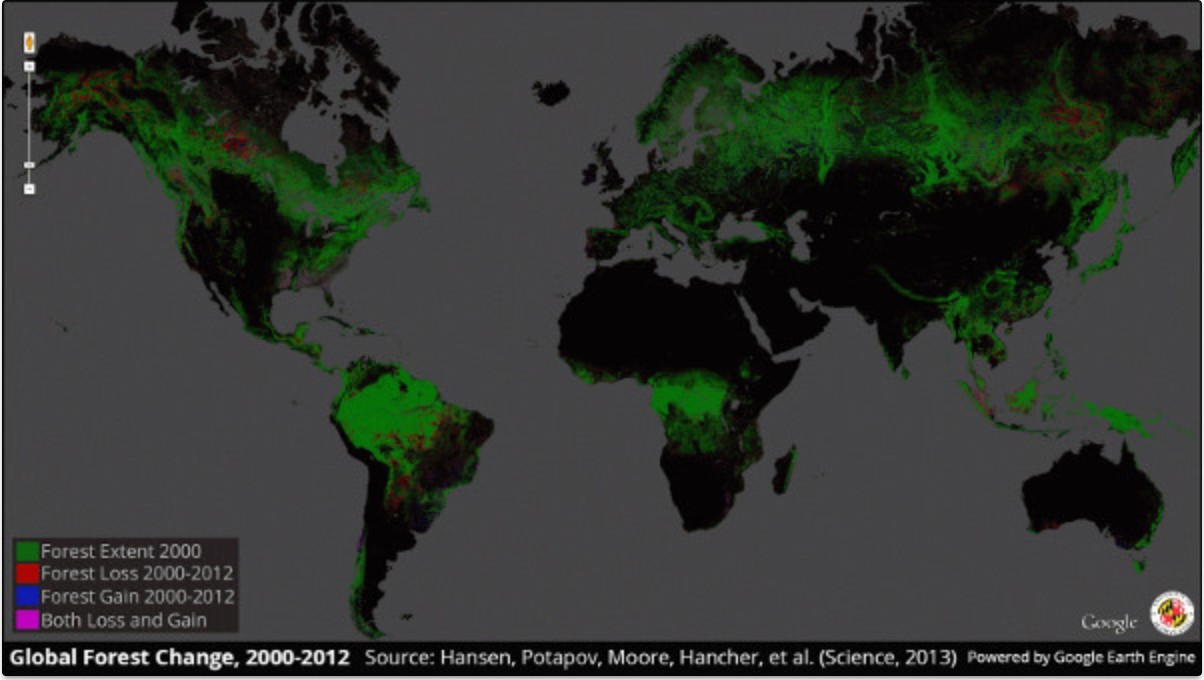
The study answered all three questions. It defined the precise enterprise value proposition: the specific outcomes a CPG buyer would pay for, in the buyer’s own language rather than the platform’s. It defined the decision-maker profile: the role that owns the problem, holds the budget, and would champion the platform internally. And it gave Google a clear signal on which messages would convert, and which capabilities, however impressive, would not move a buyer.
What happened next
Clear signaling and actionable results have a way of showing up in what the client does next. Google immediately retained my services for secondary explorations into further enterprise use cases, extending the same approach to the next set of markets Earth Engine could serve.
A Brand x Enterprise case study.