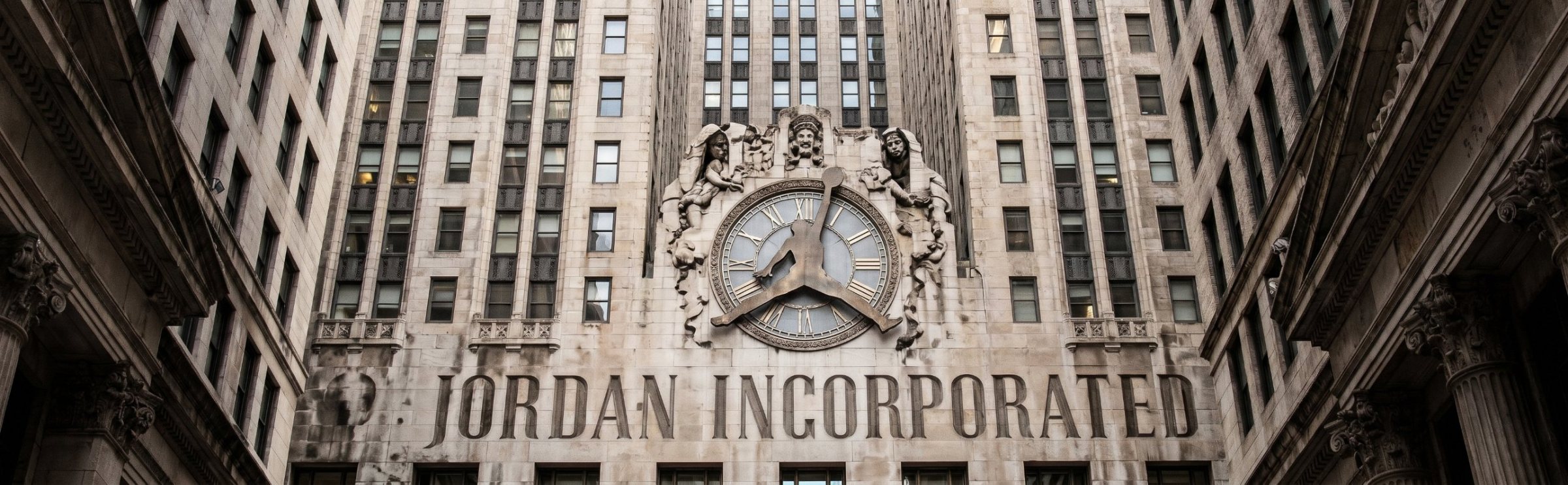
Case study / Brand / Wieden & Kennedy
Brand Jordan | Repositioning Brand Jordan for the future
When an athlete retires, the merchandise dies with the career. That is the industry rule, and Michael Jordan was retiring for the second time. The way past the cliff was to change what Jordan meant: not the endorser of a shoe, but the owner of a business.
The cliff
Standard industry wisdom is blunt about retirement: when the athlete stops playing, the merchandise stops selling. The highlight reel goes quiet, the jersey comes off the court, and the signature line becomes a memory with a price tag. Every sports brand has watched it happen.
Michael Jordan was retiring for the second time, and Brand Jordan was looking at exactly that cliff: a massive revenue drop, on a schedule nobody could move. Leading strategy at Wieden & Kennedy on Nike, this was the brief I was handed.
One man, one shoe
The revenue problem was really a meaning problem. Consumers saw Jordan as “one man, one shoe”: the greatest player alive and the sneaker he wore to do it. That equation had built the brand. It was also the trap. If the brand was the player, and the player was done, the brand was done.
Any repositioning that tried to simply keep the playing days alive would have been nostalgia, and nostalgia depreciates. The brand needed a reason to exist that did not depend on what happened on a basketball court.
If the brand is the player, and the player is done, the brand is done.
The cultural shift
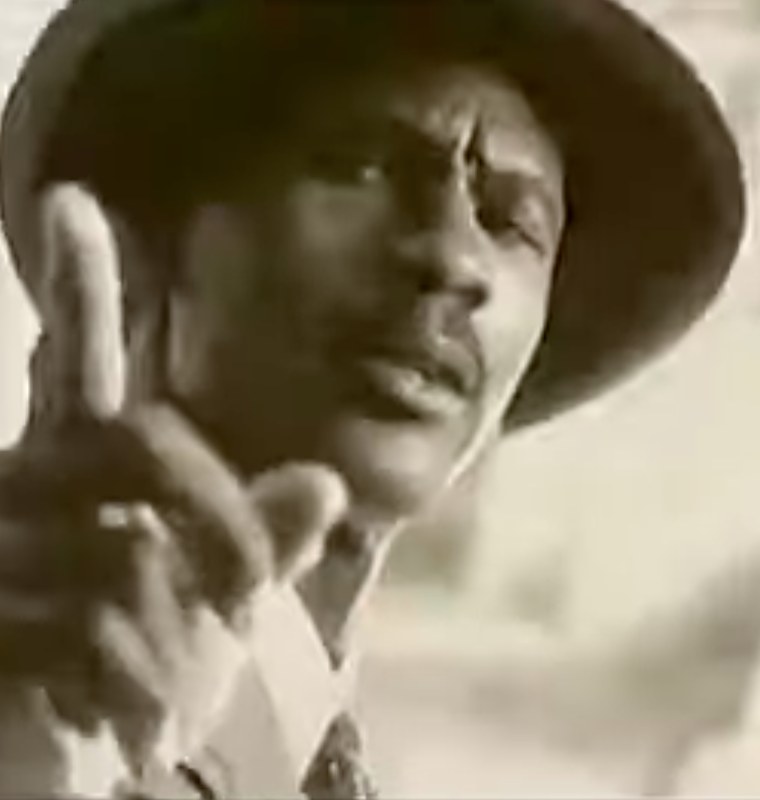
The answer was already moving through the culture. In hip-hop and in business culture more broadly, the hero was changing. The figure people admired was no longer only the performer; it was the performer who owned the label, the brand, the company. Jay-Z put it in one line: “I’m not a businessman, I’m a business, man.”
Identifying that shift, and recognizing that it was not a passing lyric but a durable change in what success looked like to the brand’s own audience, was the strategic insight the repositioning was built on. Jordan had always been the model of greatness on the court. The culture was ready for him to be the model of something else.
From Endorser to Owner
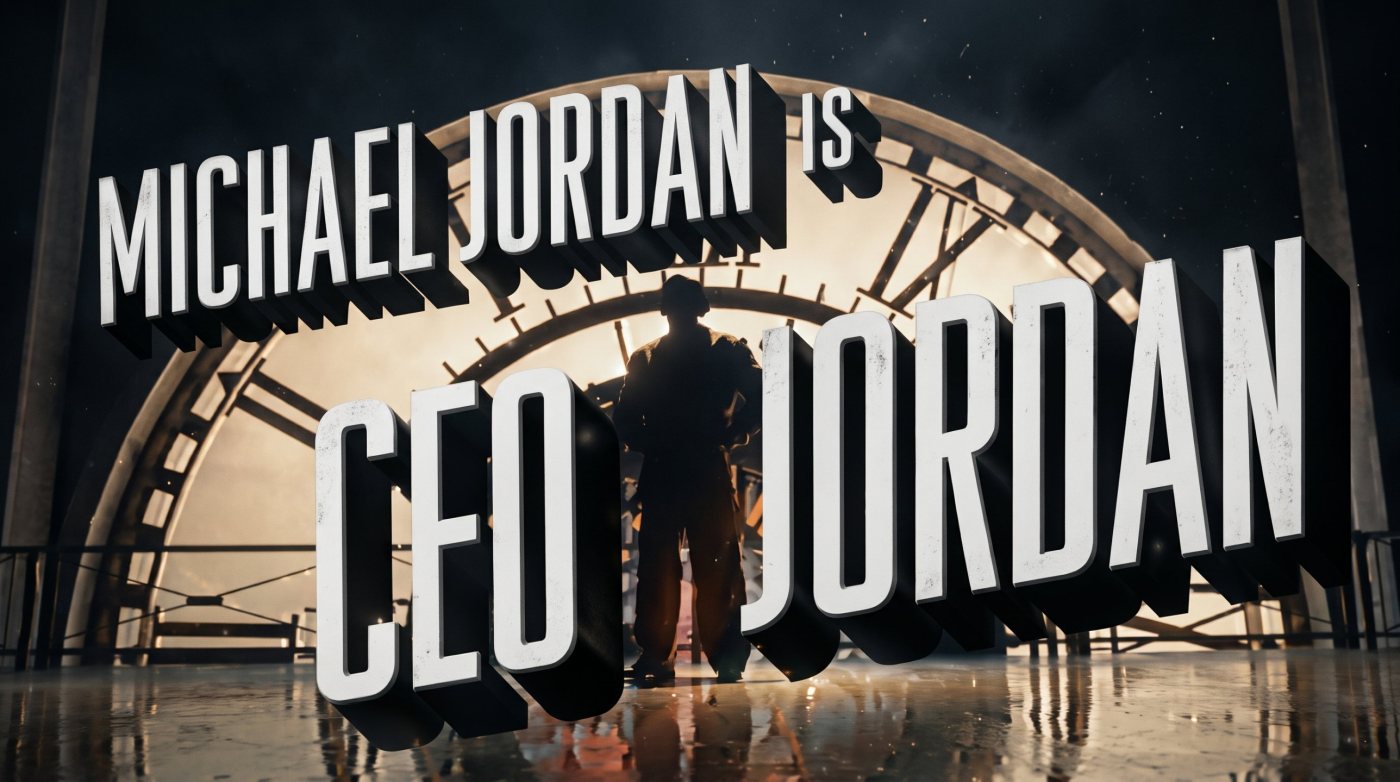
I wrote the brand repositioning platform that re-anchored Jordan from Endorser to Owner. Not a man paid to wear a product, but a man who owns the brand, sets its standard and decides what carries his name. That gave birth to “CEO Jordan”.
The shift did two things at once. It made retirement irrelevant, because an owner does not retire when he stops playing; that is when he gets to work. And it aligned the brand with where its audience’s aspirations were actually heading: ownership, authorship, building something of your own.
Beyond one player
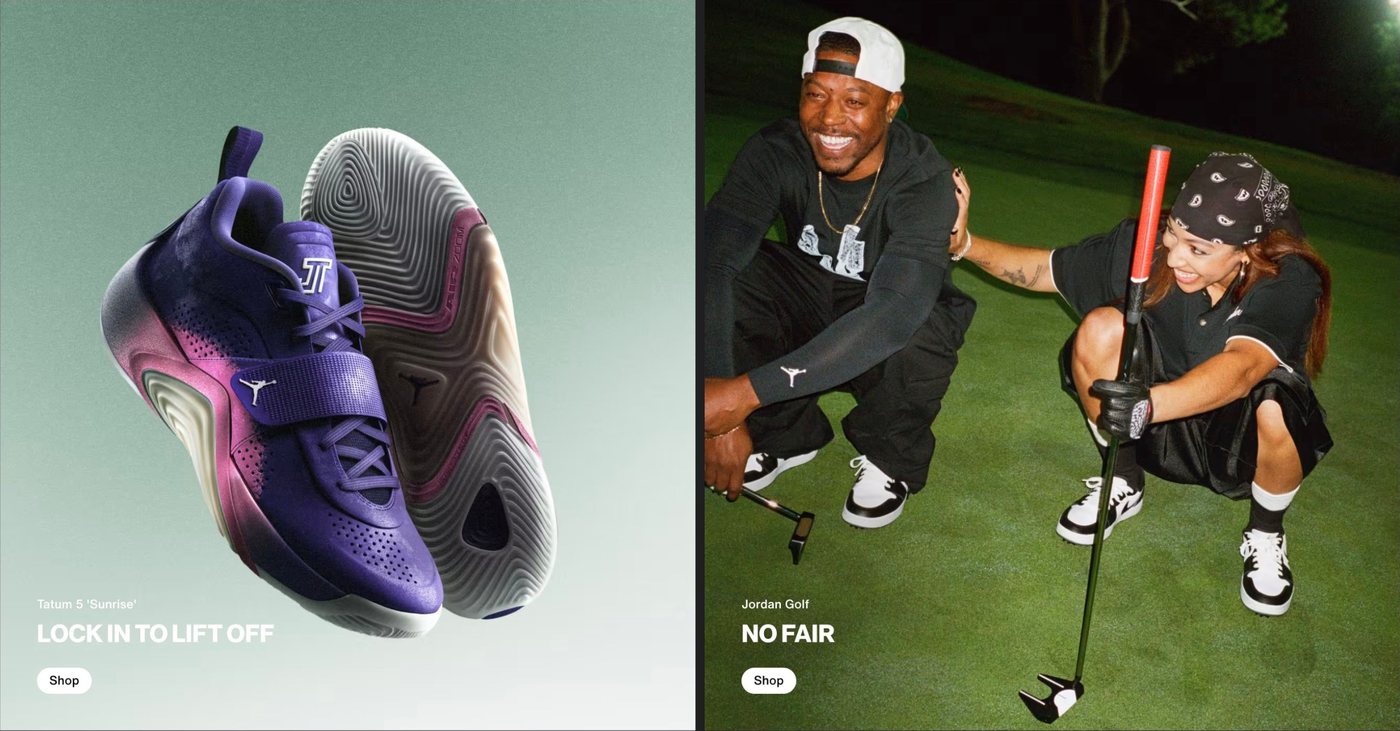
An owner has a roster. Once Jordan was the CEO rather than the endorser, the brand had an architecture that could scale beyond one player: other athletes could join the brand without diluting it, because they were joining Jordan’s company rather than borrowing his shoe. Product lines, categories and partnerships could extend under the same idea.
That is the difference between a signature line and a brand. A signature line has one source of meaning and ends when it ends. A brand has a point of view that outlives any single product, or any single career.
The effect
The repositioning set the foundation for growth that the industry rule said could not happen. Brand Jordan went from $800 million in annual revenue pre-retirement to $6.6 billion today, decades after the last game, on a brand architecture built to outgrow the player it was named for.
A Brand x Repositioning case study.