
Case study / Brand / 2025/2026
Positioning ASGG | Anchoring the architects behind the world’s tallest buildings
Adrian Smith + Gordon Gill Architecture (ASGG) were so busy designing the Jeddah Tower, Central Park Tower and more that they felt they had fallen behind in shaping their own brand narrative. They initially reached out to me because I had produced the film Briefly; Frank Gehry agreed to appear in the film, and they had hired Frank Gehry to design the centerpiece of their Chicago Millennium Park project. As luck would have it, we did have chemistry.
The context
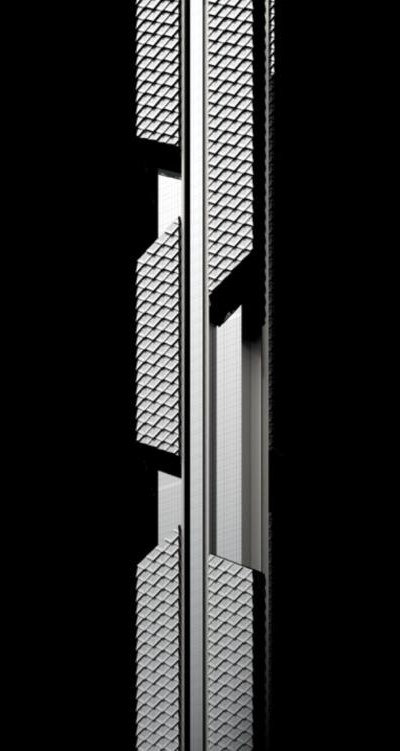
ASGG had the portfolio most firms would trade anything for: iconic supertall structures, including the Jeddah Tower (and the Burj Khalifa while they were at SOM), and Central Park Tower in New York. The partners and their teams were, understandably, heads-down in execution. Buildings at that scale consume every hour you have.
The result was that the firm hadn’t invested in its own brand identity to the extent they wanted. For a practice designing the tallest buildings on earth, ASGG was remarkably low profile, pardon the pun. Outside the circle of people who already knew the work, the firm’s name carried far less gravitas than it deserved.
Exclusive access
As a matter of principle, it’s important for me to understand the target audience up close and personal. I was a little caught off guard when they granted my request to interview some of their most important clients: the developer of Central Park Tower, the director of the Dubai Economic Zone, Cadillac Fairview’s chief architect and more.
What came back from those interviews was clear and consistent: their work was more than original design, detailed builds, uncanny sensitivity to the impact of the structures on multiple dimensions and function before form. It was something else.
Past the cliches
Standard architecture marketing runs on a short list of words: visionary, iconic, sustainable, timeless. Every firm uses them, so none of them differentiate. What clients described that aligned with what Gordon wrote about extensively was a subtle but massively differentiating POV.
Performance architecture
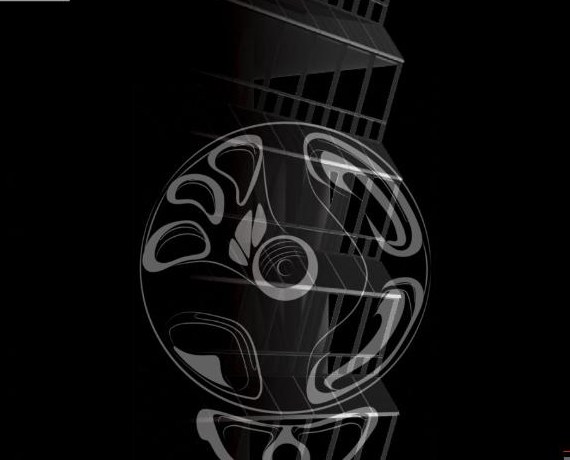
The core differentiator was Performance Architecture. At ASGG, a building was not primarily an exercise in form or function. Every structural decision was dictated by performance factors: environmental performance, how the building behaves in its climate and what it consumes; materials performance, what the structure is made of and how hard those materials are working; human performance, how the people inside live and work; and economic performance, whether the building makes sense as a long-term asset.
The shape of a supertall tower, in this view, is what you get when you solve for all four at once. That is a fundamentally different claim from “we design beautiful buildings,” and it was true.
Re-anchoring the firm
I anchored the entire firm’s identity around Performance. Not as a tagline bolted onto the existing material, but as the organizing idea: the lens through which the firm described its work, its process and its people. Because the idea came from inside the firm, the partners recognized it immediately. There was nothing to sell them on; it was their own thinking, given a name and a position.
The website as proof
The most visible expression was an unorthodox, graphic website redesign that came to life, working in close collaboration with Scott Wilson of MNML, my creative partner. Architecture websites almost universally open on a hero shot of a finished building, and ASGG’s buildings would have made spectacular hero shots. We stripped them out.
In their place: interactive building icons that reveal a deconstructed journey of making each project, the performance decisions that produced the form, rather than the form alone. The site did what the positioning claimed. It showed a visitor how the firm thinks before it showed them what the firm built.
The result was an authentic, category-defying brand posture: a firm that looks and sounds like no other architecture practice, because it is describing something no other practice describes in quite that way.
A Brand x Positioning case study.