Thought leadership / The Brief
Briefly | How creative icons weaponize the brief
Every project starts with a brief, yet almost none achieve greatness. Most briefs function as bureaucratic checklists—documents designed to cover asses rather than unlock vision.
To understand where the disconnect happens, I went directly to the people who consistently turn creative briefs into cultural milestones: Frank Gehry, David Rockwell, Maira Kalman, Yves Béhar, John Boiler and John C Jay. Across architecture, product design, illustration and brand building, I wanted to investigate a single question: how do the world’s most acclaimed practitioners transform a piece of paper into extraordinary work?
The premise: the missing voice
Vast libraries exist on creative methodology, but almost all of it is written by planners, strategists or spectators. The voice missing from the conversation was the creator at the front line—the person who actually has to stare down the blank page and deliver.
I didn’t want retrospective theory. I wanted raw, practitioner-level reality: how do you read a brief? When do you follow it, when do you challenge it, and when do you throw it out the window to save the idea?
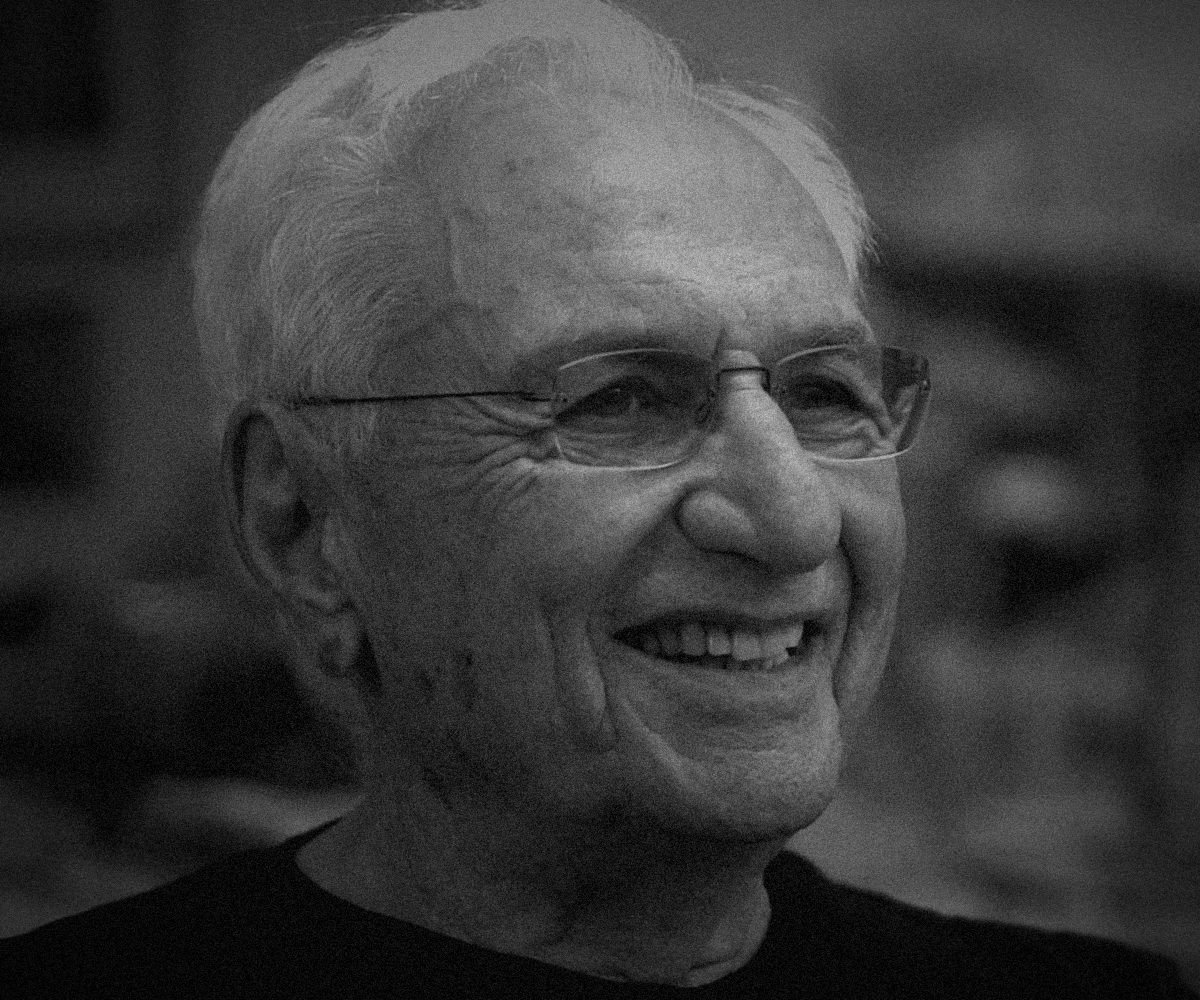 Frank GehryGehry Partners
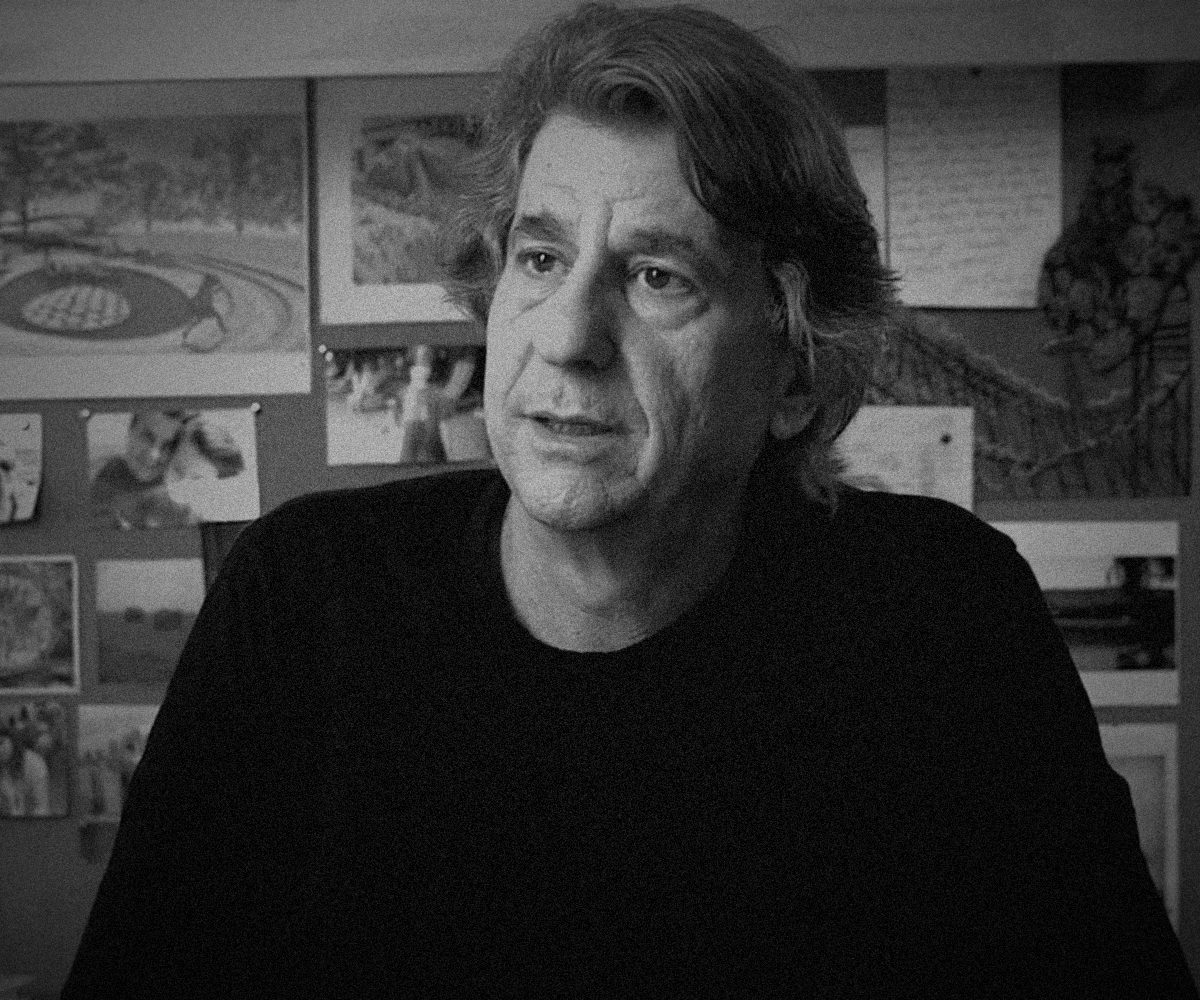 David RockwellRockwell Group
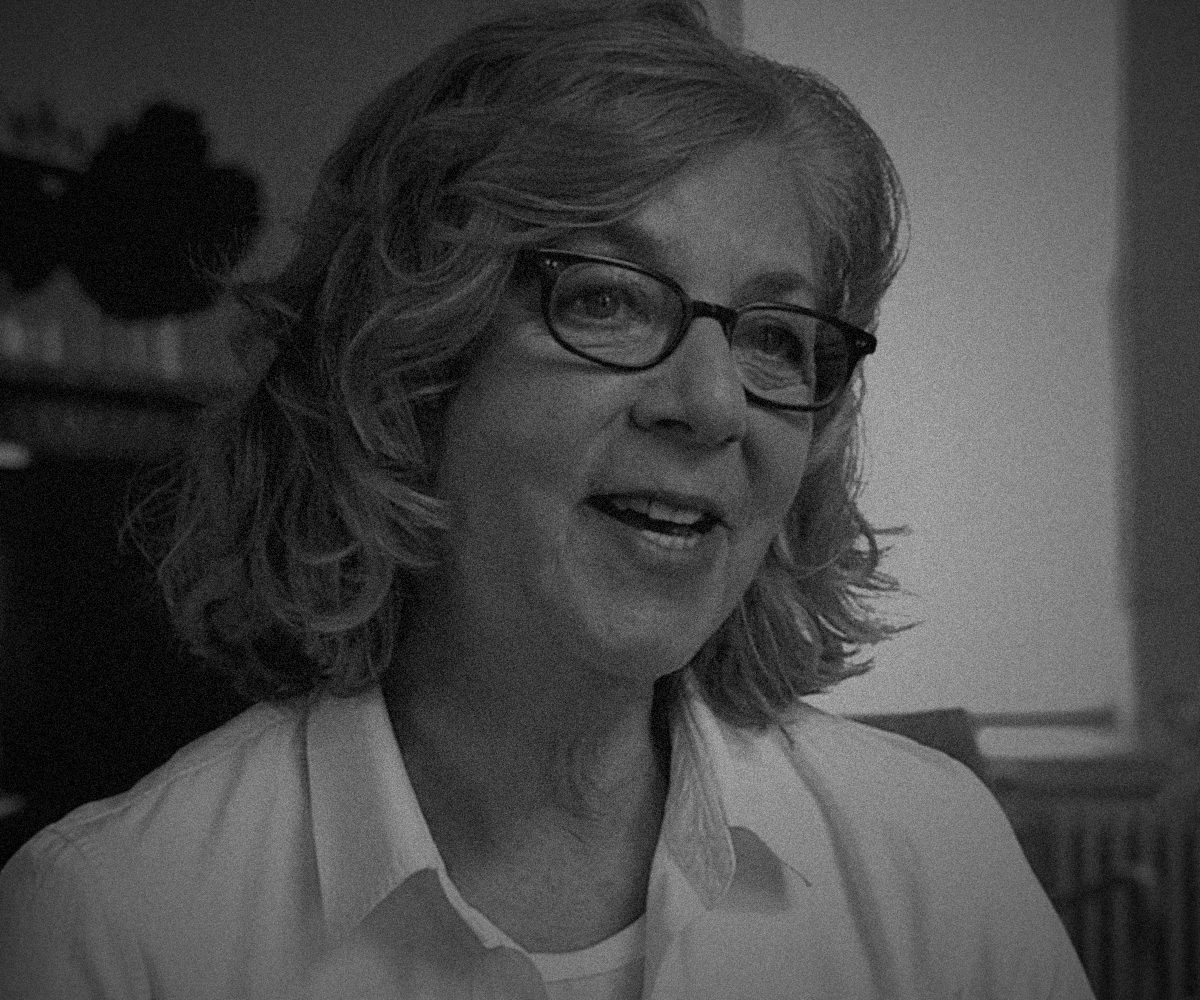 Maira KalmanIllustrator
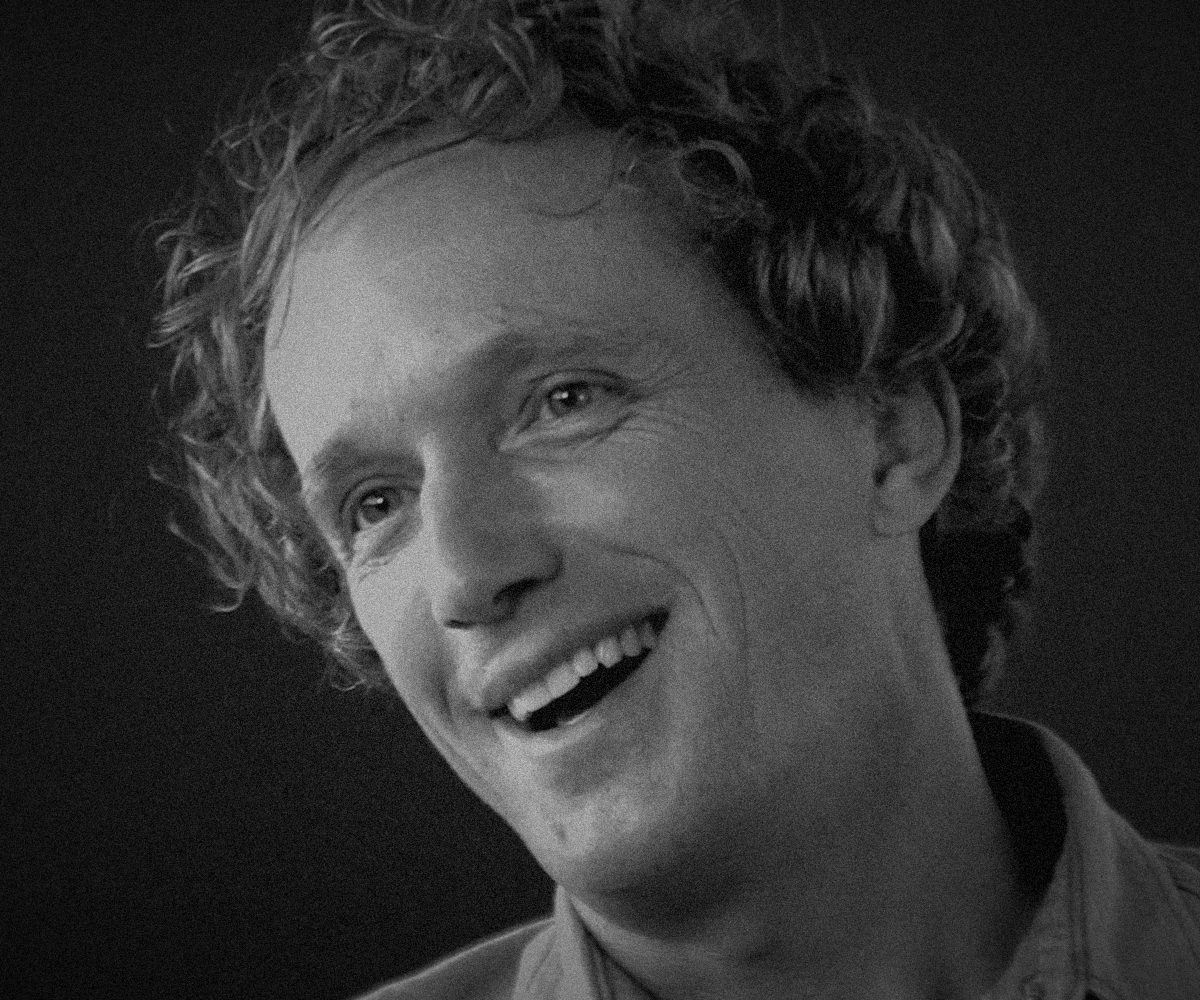 Yves Béharfuseproject
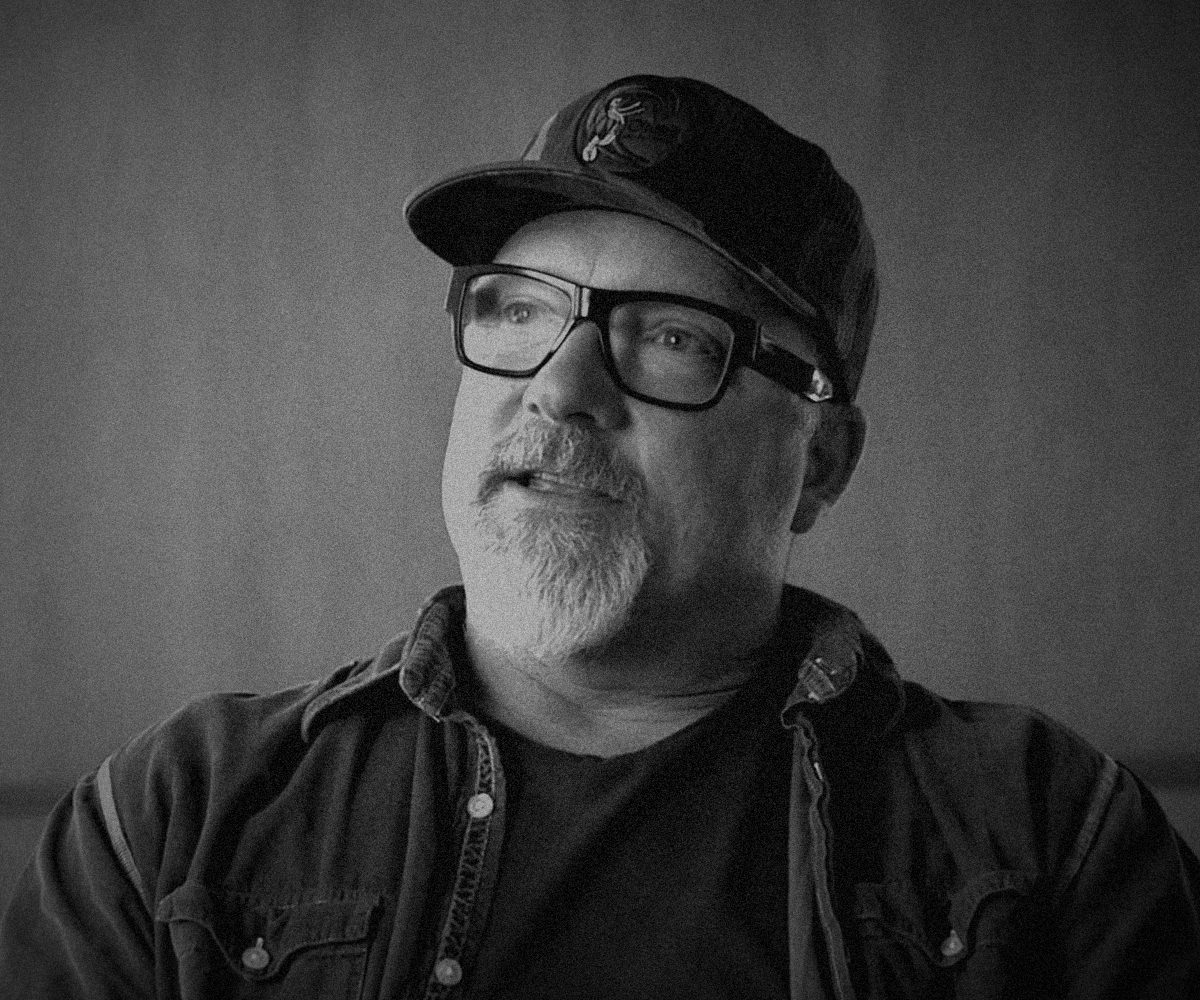 John Boiler72andSunny
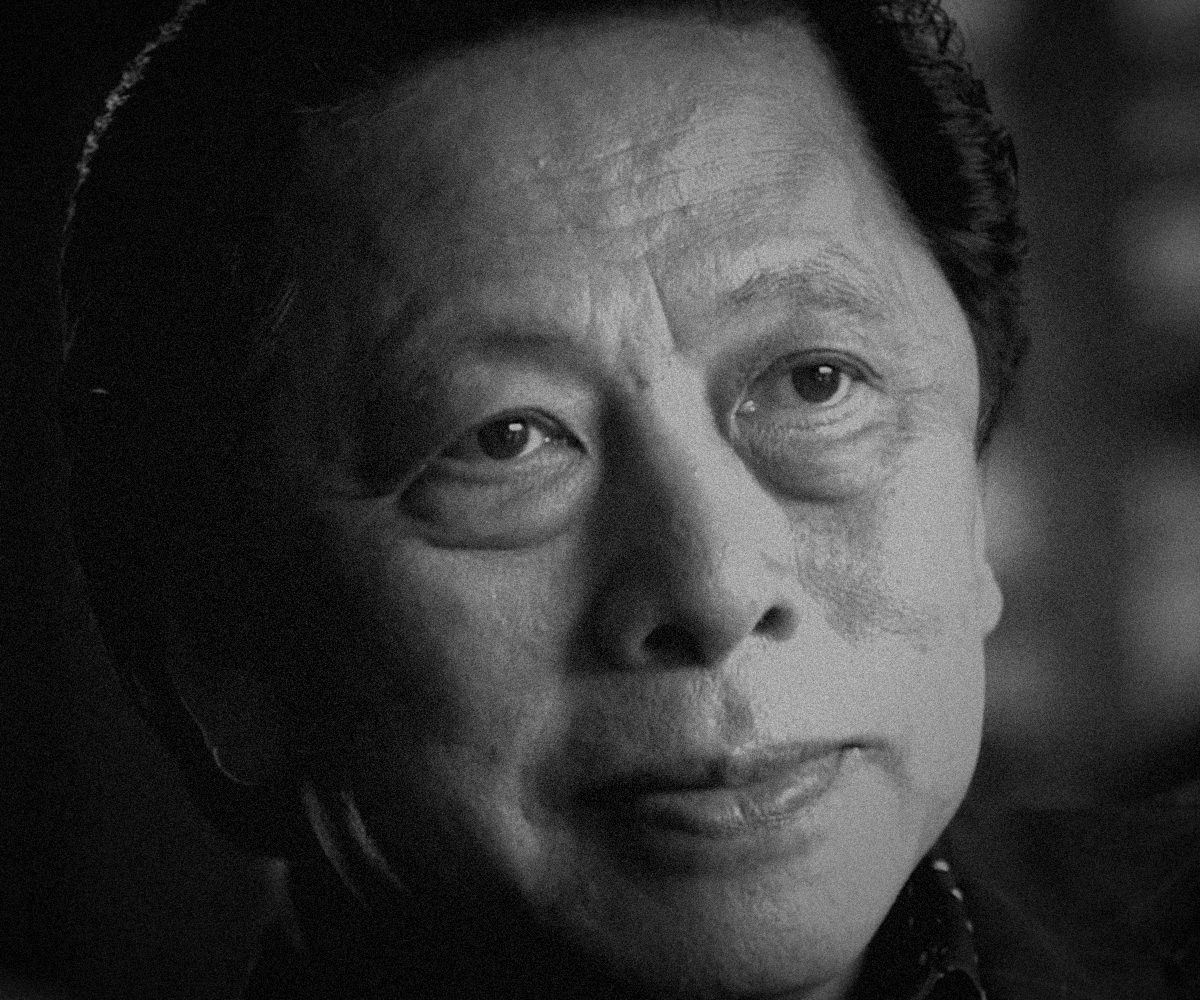 John C JayUniqlo
The production: intimacy over convenience
To get unvarnished truth from people operating at this scale, the environment had to be right. We set three rigid constraints:
- Meet them on their own turf. We traveled across New York, Los Angeles and Portland with an eight-person film crew. To capture unfiltered candor, Frank had to be in his workshop; John Boiler had to sit in Howard Hughes’ former boardroom; Maira Kalman had to be in her personal studio in Manhattan.
- Cinema-grade execution. If the subject is uncompromising excellence, the film couldn’t look like a webinar or a talking-head junket. We shot on two cinema packages with full lighting, sound and staging.
- An unapologetic target. We didn’t make this for general marketing buzz. We made it as an urgent field guide for the next generation of creative leaders—an effort to permanently raise the bar of the industry.
The friction and the breakthrough: discovering “The Echo”
Screening rough cuts for the masters you revere is terrifying. Sitting in front of Frank Gehry while his chapter hung in delicate balance against his high-stakes bid for the Eisenhower Memorial was nerve-wracking. Sharing it with John Boiler—a former collaborator from Wieden + Kennedy—meant there was zero tolerance for shallow observations.
Yet those tense review rooms unlocked the film’s structural breakthrough.
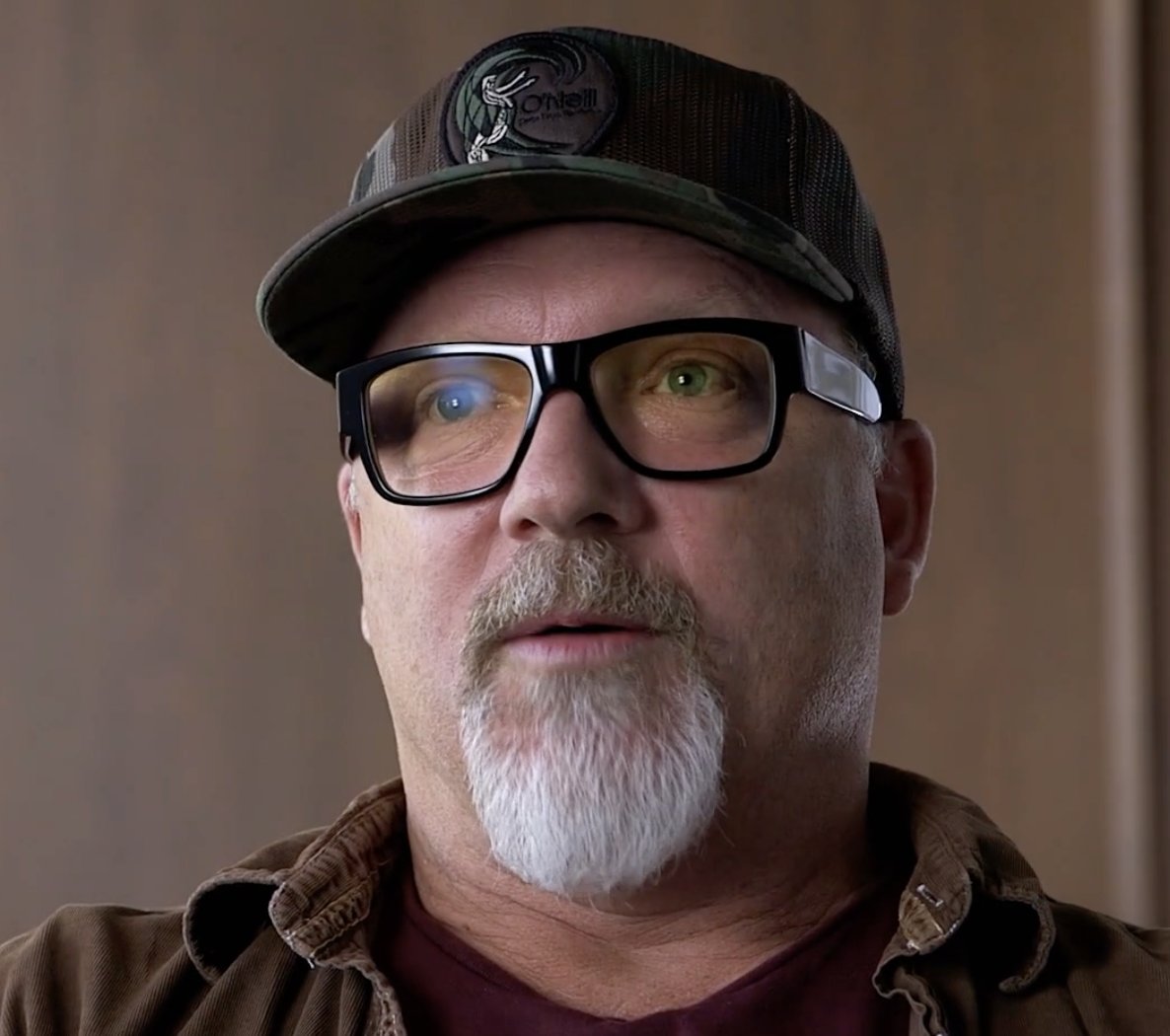
Independently, each icon became fascinated not by their own segment, but by how their peers in other industries applied similar problem-solving philosophies and techniques. It was almost validating for them to see that other creative leaders had arrived at the same approaches. An architect and an illustrator, operating worlds apart, were drawing on the exact same creative instincts.
This led to the documentary’s defining editorial mechanism: “The Echo.” At the end of every chapter, the film steps back to weave their philosophies together—revealing that beneath discipline-specific jargon, the mechanics of world-class intuition are universal.
The outcome
Briefly has over 300,000 views online, and has been shown at Art Center, RISD, Harvard Graduate School of Design, Stanford, Miami Ad School, the University of Oregon School of Journalism and more. It has been closed captioned into multiple languages, initially by volunteers from different countries. It is free to watch on Vimeo.
A Thought leadership piece.